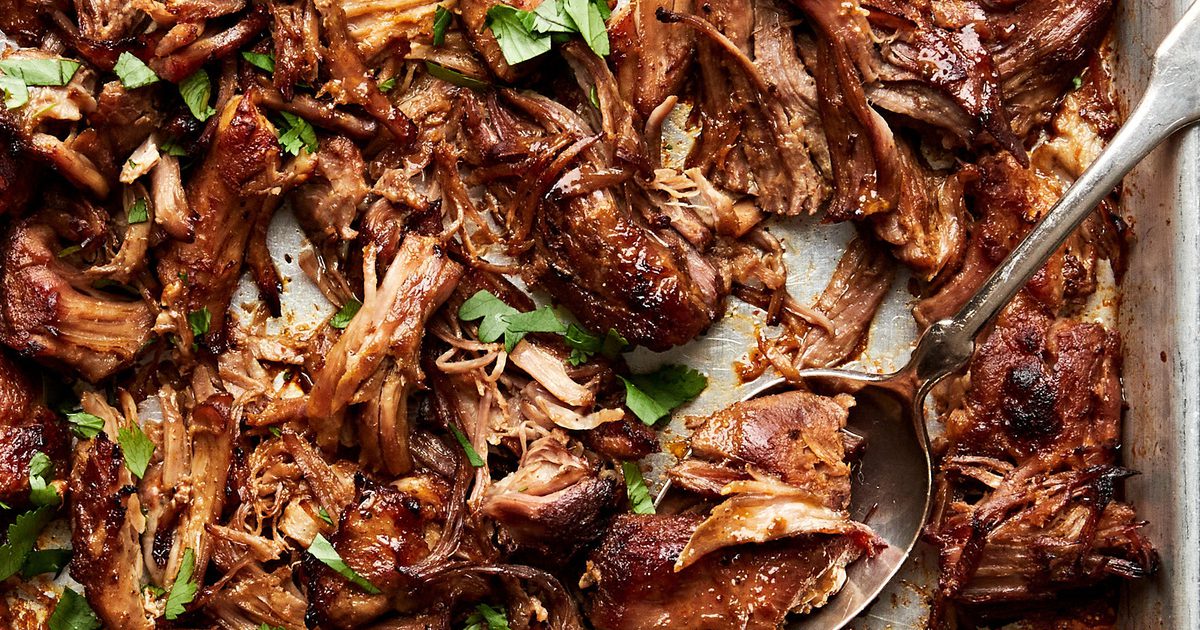
The Unrivaled Allure of Perfect Carnitas: Juicy Inside, Crispy Outside Every Time
Imagine biting into a succulent piece of pork – incredibly tender and melt-in-your-mouth juicy on the inside, yet boasting an irresistible, golden-brown crispness on the outside. This isn't just a culinary dream; it's the signature experience of truly masterful
carnitas recipe. More than just "pulled pork," authentic carnitas are a culinary marvel, a beloved Mexican dish that transforms humble pork into a symphony of textures and flavors. Whether tucked into a warm tortilla, piled high on nachos, or served as a standalone main, the quest for perfect carnitas is a journey well worth taking.
The magic lies in a two-step process: a patient, low-and-slow braise that renders the pork impossibly tender, followed by a high-heat crisping stage that develops those coveted caramelized edges. This distinction is what sets carnitas apart, elevating it from mere slow-cooked meat to an extraordinary feast. While the idea of multiple steps might seem daunting, we promise the end result – a restaurant-quality dish made right in your own kitchen – is undeniably worth every minute.
Tracing the Roots: The Authentic Michoacán Experience
To truly appreciate carnitas, one must acknowledge its rich heritage. The Mexican state of Michoacán is widely recognized as the birthplace and spiritual home of authentic pork carnitas. Here, the art of preparing "little meats" – the literal translation of "carnitas" – has been perfected over centuries, passed down through generations. When you see a bustling market stall in Michoacán selling golden chunks of pork, you're witnessing the culmination of this tradition. For a deeper dive into its origins, check out our article on
Authentic Carnitas: Michoacan's Secret to Tender, Crispy Pork.
The history of carnitas is intertwined with the arrival of pigs in Mexico, brought by the Spanish in the 1500s. Along with the animals, the tradition of cooking pork in lard – a method reminiscent of European confit – also took root. While some culinary historians point to a possible French influence, the Michoacán method evolved into something uniquely Mexican. The practice of cutting larger cuts of pork into smaller, bite-sized "little meats" before braising ensures every piece is infused with flavor and can achieve that desired crispy exterior.
The Core Pillars of a Stellar Carnitas Recipe
Achieving carnitas perfection isn't about secret ingredients as much as it is about understanding and respecting a few fundamental principles. These three pillars form the bedrock of every truly great
carnitas recipe.
Pillar 1: Embrace the Right Cut of Pork
This is non-negotiable. To achieve that signature melt-in-your-mouth tenderness, you absolutely must start with a fatty cut of pork. Forget lean cuts like pork loin or tenderloin; they simply won't yield the same results.
*
Pork Butt (Boston Butt) or Pork Shoulder: These are your champions. They are rich in fat, collagen, and connective tissue, which might seem unappealing raw, but are precisely what makes carnitas so incredible. During the long, slow cooking process, this collagen breaks down into gelatin, infusing the meat with moisture and creating that luscious, fall-apart texture. The fat renders, contributing immense flavor and keeping the pork incredibly moist. Trying to use a lean cut will result in dry, stringy meat that lacks the characteristic richness of authentic carnitas. Don't be afraid of the fat; it's your friend here!
Pillar 2: The Art of Low and Slow Braising
The second essential step is the slow, gentle cooking of the pork in a flavorful liquid. This braising process is where the magic of tenderness truly happens. It allows the tough connective tissues to break down slowly, transforming the pork into a succulent, easily shreddable masterpiece.
*
The Liquid Gold: While some recipes champion cooking solely in lard, a more common and equally authentic approach involves braising the pork in a combination of water or broth, aromatics, and a touch of acidity.
*
Orange Juice: A classic addition, orange juice not only imparts a subtle sweetness and bright flavor but also helps tenderize the meat through its acidity.
*
Aromatics and Seasonings: Don't skimp on flavor! A basic but effective seasoning blend includes coarse salt, dried oregano (preferably Mexican oregano), ground cumin, bay leaves, and often half an onion and a few cloves of garlic thrown into the braising liquid. These elements slowly infuse into the pork, creating a deeply savory foundation.
*
Choosing Your Vessel:
*
Dutch Oven: The traditional choice for stove-top braising. A heavy cast-iron Dutch oven provides even heat distribution, ensuring a consistent low simmer.
*
Slow Cooker: The ultimate in convenience. Simply set it and forget it, returning hours later to perfectly tender pork. Ideal for busy weekdays.
*
Instant Pot (Pressure Cooker): For those short on time, a pressure cooker drastically reduces the cooking duration while still achieving impressive tenderness. While faster, it's still crucial to allow sufficient cooking time under pressure for the collagen breakdown.
For a detailed breakdown of the braising method and its role in flavor development, explore
Carnitas Explained: The Braise-Then-Broil Method for Perfect Flavor.
Pillar 3: The Broiler's Magic: Achieving That Perfect Crisp
This is the step that truly distinguishes carnitas from other pulled pork dishes. Once the pork is fork-tender, it's time to create those irresistible crispy, caramelized edges that define authentic carnitas.
*
Shredding and Preparing for Crispness: After braising, remove the pork from the liquid and shred it into manageable, bite-sized pieces. Don't shred it too finely; you want substantial pieces that can develop a good crust.
*
The Broiling Technique:
1. Spread the shredded pork in a single layer on a baking sheet. Overcrowding will steam the pork instead of crisping it.
2. Drizzle a generous amount of the rendered fat and some of the flavorful braising liquid over the pork. This "liquid gold" is packed with flavor and helps create that beautiful caramelization.
3. Place the baking sheet under a hot oven broiler. Keep a close eye on it! Broilers can work quickly, and you want golden crispness, not char. Flip the pork every few minutes to ensure even browning and crisping on all sides. This step is usually quick, taking only 10-15 minutes total.
*
Optional: Lard for Extra Crispy: Some traditional
carnitas recipe variations call for frying the shredded pork in fresh or rendered lard in a large pan or Dutch oven. This method certainly delivers an unparalleled level of crispiness. If you opt for this, ensure the lard is hot but not smoking, and fry in batches to avoid cooling down the fat.
Beyond the Basics: Tips for Carnitas Perfection
Mastering carnitas extends beyond the core steps. Here are a few additional insights to elevate your homemade creation:
*
Don't Rush the Seasoning: While the braising liquid provides flavor, a good initial seasoning of the pork butt with salt and pepper before cooking is crucial. You can also rub it with a dedicated carnitas seasoning blend for an extra flavor boost. Taste your braising liquid and adjust salt if necessary.
*
Rest Your Meat: After braising, allow the pork to rest for 10-15 minutes before shredding. This helps redistribute the juices, ensuring maximum moisture.
*
Utilize the Leftover Liquid: Don't discard the braising liquid! Once strained, it's packed with flavor. It's excellent for rehydrating leftover carnitas, using as a base for soups, or freezing for future use.
*
Batch Cooking and Freezing: Carnitas freeze beautifully. Make a large batch and portion it out. When reheating, thaw, then follow the broiling step for fresh-from-the-oven crispiness. This makes for quick, delicious meals throughout the week.
*
Serving Suggestions Galore: While carnitas tacos are iconic – simply served with diced white onion, fresh cilantro, and a squeeze of lime – the possibilities are endless.
*
Tacos: The classic. Warm tortillas, carnitas, onion, cilantro, lime, and your favorite salsa.
*
Burritos & Bowls: Combine with rice, beans, cheese, and fresh veggies.
*
Nachos: Pile carnitas onto tortilla chips with melted cheese, jalapeños, and all your favorite toppings.
*
Quesadillas & Enchiladas: A rich and flavorful filling for cheesy Mexican favorites.
*
Main Dish: Serve alongside Mexican rice and refried beans for a hearty meal.
Conclusion
Creating perfect carnitas at home is a culinary endeavor that rewards patience with unparalleled flavor and texture. By understanding the importance of the right cut of pork, embracing the low-and-slow braising method, and mastering the crucial crisping step, you're well on your way to achieving those coveted juicy-inside, crispy-outside results every single time. This versatile, utterly delicious Mexican pulled pork is more than just a meal; it's an experience that will undoubtedly become a regular, much-anticipated fixture in your kitchen. So, gather your ingredients, follow these pillars of perfection, and prepare to delight your taste buds with truly exceptional homemade carnitas.