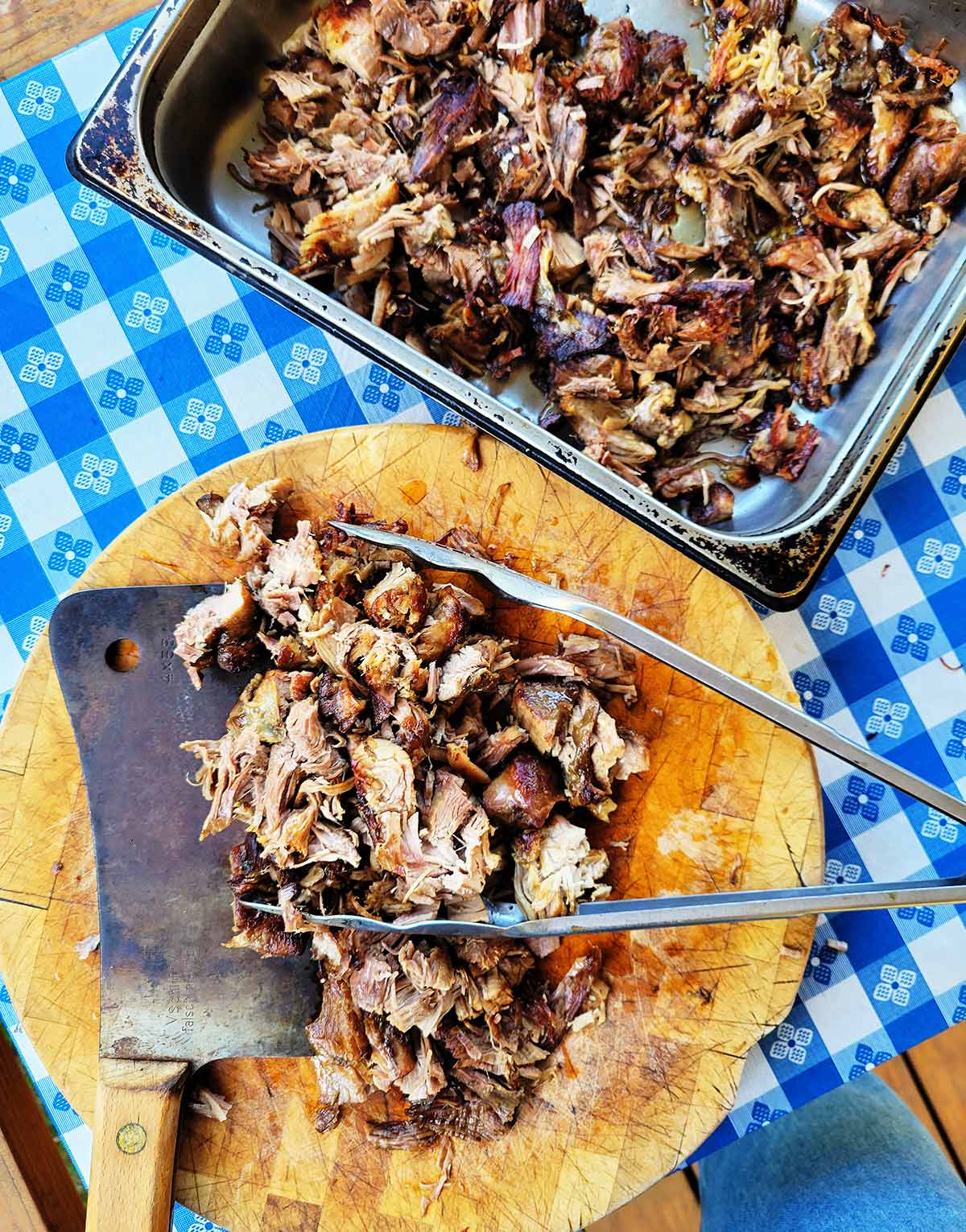
Authentic Carnitas: Michoacan's Secret to Tender, Crispy Pork
Imagine a dish where every bite delivers an exquisite contrast: incredibly tender, melt-in-your-mouth pork giving way to irresistibly crispy, caramelized edges. This culinary masterpiece is known as Carnitas, and for centuries, the Mexican state of Michoacán has perfected its creation. Far from being just any pulled pork, authentic carnitas are a revelation, transforming humble pork into a dish of unparalleled flavor and texture. If you've been searching for the definitive carnitas recipe that captures this magic, you've come to the right place. We're diving deep into the traditional methods that make this Mexican delicacy truly special.
The Heart of Michoacan: What Makes Carnitas Authentic?
The journey to authentic carnitas begins in Michoacán, a region revered as the true birthplace of this iconic dish. Many recipes claiming to be carnitas often fall short, resembling generic pulled pork rather than the rich, complex flavors of the original. So, what sets Michoacán-style carnitas apart?
- A Legacy of Flavor: While some culinary historians trace the origins of cooking pork in lard back to the Spanish introduction of pigs to Mexico in the 1500s, it's widely accepted that the distinct preparation we know as carnitas evolved within Michoacán. The name itself, "carnitas," translates to "little meats," a perfect descriptor for the bite-sized, flavorful pieces that are the hallmark of this dish.
- The Braise-Then-Broil Method: This is the crucial differentiator. Unlike simple slow-cooked pork, authentic carnitas undergo a two-stage cooking process. First, the pork is slowly braised until fork-tender, absorbing a myriad of flavors. Second, and perhaps most importantly, these tender pieces are then crisped and caramelized, often under a broiler or in hot fat, creating that signature textural contrast. This transformative step is what truly defines carnitas explained from other Mexican pork recipes and ordinary pulled pork.
- Emphasis on the "Little Meats": Instead of cooking a whole roast and then shredding, the pork is typically cut into smaller, manageable chunks (around 2-inch pieces) before the slow-cooking process begins. This allows for greater surface area for crisping and better flavor absorption.
The Essential Ingredients: Starting with the Right Pork
To truly replicate the authentic carnitas experience, the choice of pork cut is non-negotiable. This is where many recipes go astray, attempting to use leaner cuts like pork loin or chicken breast. For genuinely succulent and flavorful carnitas, you must embrace the fat.
Choosing Your Pork: The Mighty Pork Butt (or Shoulder)
The answer to "What kind of pork is best for carnitas?" is unequivocally pork butt, also known as Boston butt or pork shoulder. Here's why:
- Fat Content: Pork butt is generously marbled with fat and connective tissue. During the long, slow cooking process, this fat renders down, infusing the meat with incredible moisture and richness. The connective tissues break down into gelatin, resulting in that unbelievably tender, melt-in-your-mouth texture. Trying to achieve this with a lean cut simply won't yield the same results.
- Flavor Development: The fat also plays a crucial role in developing deep flavor. As it renders, it bastes the meat from within, creating a savory depth that lean cuts cannot match.
When preparing your pork, cut the large butt into approximately 2-inch cubes. This ensures even cooking and creates those desirable "little meats" that will crisp up beautifully later.
Beyond the Pork: Flavor Enhancers
While the pork is the star, the braising liquid and seasonings contribute significantly to the overall taste profile. A classic carnitas recipe often includes:
- Orange Juice: This provides a subtle sweetness and acidity that helps tenderize the meat and adds a bright note.
- Aromatics: Onions, garlic, and bay leaves are common additions, lending aromatic depth.
- Seasonings: Salt is paramount, but cumin, oregano, and a touch of chili powder can also be used to build layers of flavor.
- Lard (Optional but Traditional): Some traditionalists advocate for cooking the pork partially or fully in lard to achieve ultimate crispiness and flavor, especially in the initial stages. While not strictly necessary for a home cook aiming for authenticity, it's a testament to the pursuit of flavor that characterizes Michoacán cuisine.
The Art of the Slow Cook: Achieving Unparalleled Tenderness
The first critical stage of any authentic carnitas recipe is the "low and slow" braise. This is where the magic of transformation happens, turning tough pork shoulder into fall-apart tender deliciousness. The goal is to gently cook the meat until it practically melts, soaking up all the incredible flavors of the braising liquid.
Your Choice of Cooking Vessel: Versatility for the Home Cook
Fortunately, modern kitchens offer several excellent options for achieving this slow braise:
- Dutch Oven: The traditional choice for stovetop or oven braising. A heavy cast-iron Dutch oven provides even heat distribution, allowing for a consistent, slow cook that develops deep flavors and a beautiful crust if you opt for stovetop crisping.
- Slow Cooker (Crock-Pot): For ultimate convenience, the slow cooker is a fantastic tool. Simply add your pork, liquids, and seasonings, set it, and forget it for several hours. This method excels at creating incredibly tender meat with minimal fuss.
- Instant Pot (Pressure Cooker): If time is of the essence, the Instant Pot can dramatically reduce cooking time while still achieving remarkable tenderness. The high-pressure environment forces liquids and flavors deep into the meat, making it a viable option for busy weeknights.
Regardless of the method you choose, the principle remains the same: gentle, prolonged cooking at a low temperature. This process breaks down the tough collagen and fat in the pork butt, rendering it into succulence. You'll know it's ready when the pork can be easily shredded with two forks.
The Crispy Revelation: The Broiler's Magic Touch
Here it is – the distinguishing factor that elevates carnitas from merely good pulled pork to truly extraordinary. After the long braise, your pork will be incredibly tender and juicy. But without this crucial final step, it wouldn't be authentic carnitas. This is where the magic of caramelization and crisping comes into play.
From Tender to Crispy: The Transformation
Once your pork is slow-cooked to perfection and lightly shredded, the next stage is to get those coveted crispy edges. This is typically achieved by:
- Broiling: The most common and effective method for home cooks. Spread the shredded pork on a baking sheet, drizzle with some of the flavorful cooking liquid (or even a little fresh lard for extra crispness), and place it under a hot broiler. The intense heat quickly caramelizes the surface, creating those irresistible crunchy bits while the inside remains moist. This method allows for precise control over the level of crispness.
- Frying in Lard/Oil: Some traditionalists will return the shredded pork to a large pot or pan with hot lard or oil, frying it until golden brown and crispy. This technique, while more labor-intensive, can yield exceptional results, especially for larger batches.
The key is to achieve a balance: deeply caramelized and crunchy on the outside, yet still wonderfully juicy and tender on the inside. This contrast is the hallmark of a truly great carnitas recipe and defines the Michoacán experience.
Serving Suggestions: Beyond the Taco
Once your authentic carnitas are ready, the possibilities are endless. These flavorful "little meats" are incredibly versatile and can be the star of many Mexican-inspired dishes.
- Carnitas Tacos: The classic presentation. Serve in warm corn tortillas with a sprinkle of chopped onion, cilantro, a squeeze of lime, and your favorite salsa.
- Burritos and Enchiladas: Stuff them into flour tortillas for hearty burritos or roll them into enchiladas, smothered in sauce and cheese.
- Nachos and Quesadillas: Pile carnitas onto crispy tortilla chips with melted cheese and toppings, or layer them between tortillas for a delicious quesadilla.
- Main Dish: Simply serve them alongside rice and beans, perhaps with a fresh avocado salad or pickled red onions, for a satisfying meal.
No matter how you choose to enjoy them, these tender, crispy pieces of pork will undoubtedly become a family favorite. The rich, savory flavor of an authentic carnitas recipe elevates any meal from ordinary to extraordinary.
Embracing the traditional methods for making carnitas is a culinary journey well worth taking. From selecting the right cut of pork to mastering the slow braise and the crucial crisping step, each stage contributes to a dish that is deeply rooted in Michoacán's heritage. This isn't just about making Mexican pulled pork; it's about creating an experience—a symphony of textures and flavors that will transport you straight to the bustling markets of Mexico. So, gather your ingredients, set aside some time, and prepare to unlock the secret to truly authentic, utterly addictive carnitas.
